

Understanding Earthmoving Excavators: Key Features and Applications
2025-11-28 10:10


Earthmoving excavators are vital pieces of machinery in the construction and engineering industries, designed to perform a variety of tasks that involve moving earth, rock, and other materials. These machines are equipped with a boom, dipper (or arm), bucket, and rotation platform, allowing them to excavate, lift, and transport materials efficiently. One of the primary features of earthmoving exca
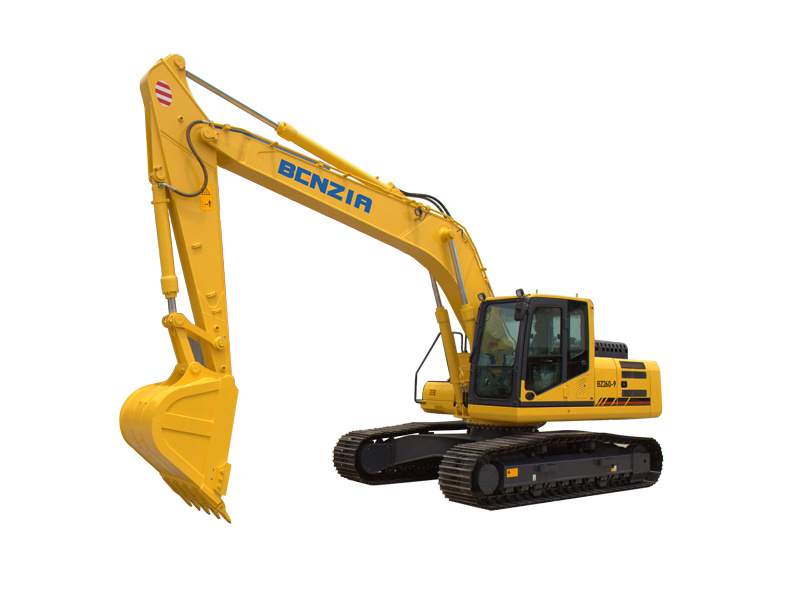
One of the primary features of earthmoving excavators is their versatility. Depending on the attachment used, they can perform numerous functions including digging, trenching, lifting, and grading. Common attachments include buckets of various sizes, hydraulic hammers for breaking rock, and augers for drilling holes. This adaptability makes earthmoving excavators suitable for a wide range of applications, from large-scale construction projects to smaller landscaping jobs.
In terms of specifications, earthmoving excavators vary greatly in size and power. Mini excavators, for example, are perfect for tight spaces and light-duty tasks, while larger models are designed for heavy-duty operations on construction sites. The choice of an excavator often depends on the specific requirements of a project, including the type of material being moved, the site conditions, and the scale of the work.
When operating an earthmoving excavator, efficiency and safety are crucial. Operators must be well-trained to handle the complexities of the machinery, ensuring safe operation and optimal performance. Features such as advanced hydraulic systems, ergonomic controls, and safety mechanisms, like automatic shutoff systems and stability monitoring, contribute to a safer working environment.
Regular maintenance is another critical aspect of maximizing the lifespan and performance of earthmoving excavators. This includes routine checks on the hydraulic systems, tracks, and engine to prevent breakdowns and ensure that the machine operates at peak efficiency. Operators and maintenance personnel should be vigilant about addressing any signs of wear and tear to avoid costly repairs down the line.
The role of earthmoving excavators extends beyond just construction; they are also indispensable in mining, road building, and land reclamation projects. Their ability to adapt to different environments and tasks makes them a cornerstone of modern engineering.
In conclusion, earthmoving excavators are powerful tools that play a crucial role in various industries. Understanding their features, applications, and maintenance needs can significantly enhance project outcomes and operational efficiency. As technology continues to evolve, the capabilities of these machines will only expand, further solidifying their importance in the field of construction and engineering.
previous page:

Contact Us
EMAIL :
ts003@benziaf.com
WhatsApp :
+86-191 5762 3970
Address:
Hanxiang Village, Tangya Town, Jindong District, Jinhua, Zhejiang Province (2nd Floor of Office Building in Zhejiang Tiansheng Building Materials Co., Ltd.)

EMAIL :
ts004@tisen.cc
WhatsApp :
+86-191 5762 3970
Address: Hanxiang Village, Tangya Town, Jindong District, Jinhua, Zhejiang Province (2nd Floor of Office Building in Zhejiang Tiansheng Building Materials Co., Ltd.)
Do you have any questions? Please fill out the form