

The Evolution of Crawler Dozers: A Comprehensive Historical Overview
2025-11-26 09:40


The Evolution of Crawler Dozers: A Comprehensive Historical Overview Crawler dozers, often recognized for their unparalleled capability to navigate rough terrains, have undergone significant transformations since their inception. This article explores the **historical evolution** of crawler dozers, focusing on their technological advancements, applications, and the impact they have had on the engi
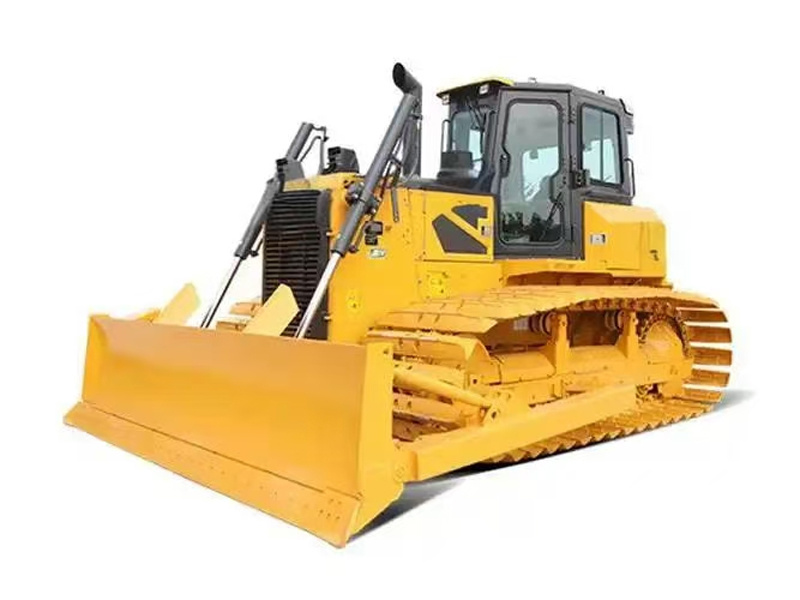
The Evolution of Crawler Dozers: A Comprehensive Historical Overview
Crawler dozers, often recognized for their unparalleled capability to navigate rough terrains, have undergone significant transformations since their inception. This article explores the **historical evolution** of crawler dozers, focusing on their technological advancements, applications, and the impact they have had on the engineering and construction sectors.
Table of Contents
- 1. Historical Beginnings of Crawler Dozers
- 2. Technological Advancements in Crawler Dozer Design
- 3. Key Manufacturers and Their Contributions
- 4. Applications of Crawler Dozers in Construction
- 5. The Role of Crawler Dozers in Mining Operations
- 6. Environmental Impact and Sustainability
- 7. The Future of Crawler Dozers: Innovations on the Horizon
- 8. Conclusion
- 9. FAQs about Crawler Dozers
1. Historical Beginnings of Crawler Dozers
The origins of crawler dozers can be traced back to the early 20th century. The innovation began with the introduction of the **caterpillar track**, which allowed vehicles to traverse soft or uneven ground without sinking. This breakthrough was critical for farming and construction, as it enabled machinery to operate in challenging conditions.
In the 1920s, the first true crawler dozers emerged when engineers combined the caterpillar track with a bulldozer blade. These early models were rudimentary but marked the beginning of an era that would see significant advancements in power and efficiency. The original crawler dozers were primarily used in agriculture and small-scale construction projects.
2. Technological Advancements in Crawler Dozer Design
As demand for crawler dozers grew, so did the need for enhanced technology. The **1950s and 1960s** marked a period of rapid development, with engineers focusing on improving engine efficiency, power-to-weight ratios, and hydraulic systems. The introduction of **hydraulic steering** significantly improved maneuverability, allowing operators to navigate tighter spaces with ease.
Further advancements in electronics and automation have led to the incorporation of sophisticated controls, enabling precise movements and increased operator efficiency. The transition from mechanical to electronic systems has dramatically improved the performance and reliability of crawler dozers.
Key Innovations in Crawler Dozers
Several key innovations have dramatically changed the crawler dozer landscape:
- GPS Technology: The integration of GPS systems provides operators with real-time data, allowing for more accurate grading and earthmoving operations.
- Remote Control: Remote operation capabilities allow for safer functioning in hazardous environments, minimizing risks to operators.
- Fuel Efficiency Improvements: Modern crawler dozers are designed with fuel-efficient engines, reducing operational costs and environmental impact.
3. Key Manufacturers and Their Contributions
The crawler dozer market has been shaped by several pioneering manufacturers who have led the way in innovation and quality. Companies such as **Caterpillar, Komatsu, and John Deere** have established themselves as industry leaders, continuously pushing the boundaries of design and functionality.
Caterpillar: A Leader in Crawler Dozer Innovation
Caterpillar, founded in 1925, has been at the forefront of the crawler dozer market. Known for their robust engineering and reliability, Caterpillar dozers are utilized in various remote and harsh environments. The introduction of the **Cat D11**, one of the largest dozers in the world, showcases their commitment to power and efficiency.
Komatsu and John Deere: Pioneering New Technologies
Komatsu has made significant strides in incorporating cutting-edge technology into its crawler dozers, focusing on enhancing operator comfort and safety. Similarly, John Deere has leveraged its agricultural heritage to design versatile dozers that cater to construction and land management needs.
4. Applications of Crawler Dozers in Construction
Crawler dozers are indispensable in construction, serving a multitude of purposes. Their ability to move large volumes of earth makes them ideal for site preparation, grading, and backfilling operations.
Site Preparation and Grading
In site preparation, crawler dozers clear vegetation and debris, ensuring a clean slate for new construction. Their grading capabilities help establish a level foundation, which is crucial for subsequent construction phases.
Backfilling and Landscaping
After foundations are laid, crawler dozers play a vital role in backfilling trenches and leveling the ground for landscaping. Their powerful blades can easily move soil and aggregate materials, ensuring efficient workflow on construction sites.
5. The Role of Crawler Dozers in Mining Operations
In the mining industry, crawler dozers are essential for clearing land, constructing roads, and managing waste materials. Their robust design allows them to operate in challenging conditions, providing reliable performance in both surface and underground mining operations.
Clearing and Road Construction
Crawler dozers clear pathways for heavy mining equipment and construct access roads to remote sites. Their ability to navigate rough terrain makes them invaluable for expanding mining operations.
Waste Management
In mining, managing waste material is crucial for environmental compliance. Crawler dozers efficiently move and manage these materials, ensuring that mining operations remain sustainable and responsible.
6. Environmental Impact and Sustainability
As industries become more conscious of their environmental footprint, crawler dozers have also evolved to align with sustainability efforts. Modern dozers are designed to be more fuel-efficient and emit fewer greenhouse gases, which significantly reduces their environmental impact.
Emission Reduction Technologies
Many manufacturers have adopted state-of-the-art emission reduction technologies to meet stringent regulatory standards. This includes **diesel particulate filters** and selective catalytic reduction systems, contributing to cleaner air and compliance with environmental laws.
Eco-friendly Materials and Practices
Some companies are moving towards using recycled materials in dozer production and adopting practices that reduce waste during manufacturing. This shift towards sustainability is crucial in ensuring the long-term viability of both the industry and the environment.
7. The Future of Crawler Dozers: Innovations on the Horizon
The future of crawler dozers looks promising, with ongoing innovations set to transform their functionality. The integration of **autonomous technologies** is one of the most exciting developments, allowing for increased precision and safety in operations.
Automation and Robotics
As automation technology evolves, we anticipate seeing fully autonomous crawler dozers that can operate without human intervention. This advancement will not only enhance efficiency but also improve safety in hazardous environments.
Enhanced Connectivity
With the advent of the Internet of Things (IoT), future crawler dozers may incorporate enhanced connectivity features, allowing for real-time monitoring and data analysis. This will enable operators to optimize machine performance and reduce downtime.
8. Conclusion
The evolution of crawler dozers reflects the broader trends in engineering and construction. From their humble beginnings to the high-tech machines we see today, crawler dozers have continuously adapted to meet the demands of various industries. As we look to the future, it's clear that these machines will play a vital role in shaping our world and improving the efficiency of construction and mining operations. Their ongoing evolution will undoubtedly contribute to more sustainable practices and innovative solutions in the years to come.
9. FAQs about Crawler Dozers
What is a crawler dozer?
A crawler dozer is a type of heavy machinery equipped with tracks (instead of wheels) that provide superior traction and stability on uneven terrain. They are primarily used for earthmoving tasks in construction and mining.
How do crawler dozers differ from bulldozers?
While the terms are often used interchangeably, crawler dozers specifically refer to bulldozers that use tracks for movement. This design allows them to handle more weight and traverse softer ground better than wheeled bulldozers.
What industries use crawler dozers?
Crawler dozers are widely used in construction, mining, forestry, and land reclamation. Their versatility makes them suitable for various tasks, from site preparation to waste management.
What are the advantages of using crawler dozers?
Crawler dozers offer numerous advantages, including superior traction on uneven surfaces, enhanced stability, and the ability to move large quantities of material efficiently. They can also operate in challenging weather conditions.
What future trends should we expect for crawler dozers?
Future trends for crawler dozers include increased automation, enhanced connectivity, and a stronger focus on sustainability. Innovations in technology will likely lead to improvements in performance and safety.

Contact Us
EMAIL :
ts003@benziaf.com
WhatsApp :
+86-191 5762 3970
Address:
Hanxiang Village, Tangya Town, Jindong District, Jinhua, Zhejiang Province (2nd Floor of Office Building in Zhejiang Tiansheng Building Materials Co., Ltd.)

EMAIL :
ts004@tisen.cc
WhatsApp :
+86-191 5762 3970
Address: Hanxiang Village, Tangya Town, Jindong District, Jinhua, Zhejiang Province (2nd Floor of Office Building in Zhejiang Tiansheng Building Materials Co., Ltd.)
Do you have any questions? Please fill out the form