

Understanding the Critical Role of Earthmoving Dozers in Site Preparation
2025-11-22 09:50


Understanding the Critical Role of Earthmoving Dozers in Site Preparation Table of Contents 1. Introduction to Earthmoving Dozers 2. The Importance of Site Preparation in Construction 3. Types of Earthmoving Dozers 4. Key Components of Earthmoving Dozers 5. Advantages of Using Dozers in Site Preparation 6. Best Practices for Dozer Operation 7. Challenges in Site Prepar
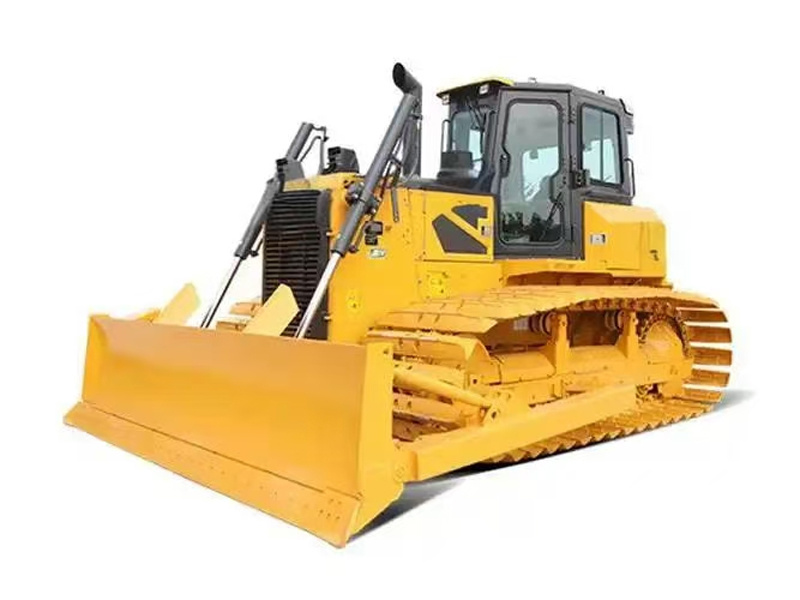
Understanding the Critical Role of Earthmoving Dozers in Site Preparation
Table of Contents
- 1. Introduction to Earthmoving Dozers
- 2. The Importance of Site Preparation in Construction
- 3. Types of Earthmoving Dozers
- 4. Key Components of Earthmoving Dozers
- 5. Advantages of Using Dozers in Site Preparation
- 6. Best Practices for Dozer Operation
- 7. Challenges in Site Preparation and How Dozers Address Them
- 8. Future Trends in Earthmoving Dozer Technology
- 9. FAQs About Earthmoving Dozers
- 10. Conclusion
1. Introduction to Earthmoving Dozers
Earthmoving dozers, commonly referred to simply as dozers, are heavy machinery that play a pivotal role in the construction and site preparation process. These robust machines are designed to push large quantities of soil, sand, and debris, making them essential for grading, leveling, and clearing sites before construction begins. Understanding how these powerful machines operate and their various applications can significantly enhance efficiency and effectiveness in construction projects.
2. The Importance of Site Preparation in Construction
Site preparation is a crucial step in the construction process, serving as the foundation for successful projects. Proper site preparation ensures that the land is suitable for building structures, roads, and other infrastructure. This process involves various tasks, such as clearing vegetation, leveling the ground, and excavating the soil to create a stable base.
A well-prepared site can lead to several benefits, including:
- **Reduced Risk of Structural Issues**: Inadequate site preparation can lead to settling or shifting of structures, resulting in costly repairs.
- **Improved Water Drainage**: Proper grading helps prevent water pooling, which can cause erosion and damage to structures.
- **Enhanced Safety**: Clear and well-leveled sites minimize hazards for workers and machinery during the construction phase.
3. Types of Earthmoving Dozers
There are several types of earthmoving dozers, each designed for specific tasks and operating conditions. Understanding the different categories can help in selecting the right dozer for a project:
3.1. Crawler Dozers
Crawler dozers are equipped with tracks, providing excellent traction and stability on uneven terrain. They are ideal for rough and muddy environments, making them a popular choice in construction and mining operations.
3.2. Wheel Dozers
These dozers use wheels instead of tracks, making them faster and more maneuverable on solid surfaces. Wheel dozers are commonly used in urban settings and for tasks requiring quick transitions between locations.
3.3. Mini Dozers
Mini dozers are smaller, lightweight machines suitable for tight spaces and residential projects. Their compact size allows for greater versatility in various applications, including landscaping and small-scale earthmoving tasks.
4. Key Components of Earthmoving Dozers
Understanding the components of earthmoving dozers is essential for appreciating their functionality and effectiveness in site preparation. Key components include:
4.1. Blade
The blade is the primary working element of a dozer, used for pushing and grading materials. Different blade shapes and sizes are available, such as straight blades for fine grading and U-blades for material handling.
4.2. Tracks or Wheels
Tracks provide stability and traction on uneven ground, while wheels facilitate speed and maneuverability. The choice between tracks and wheels depends on the intended application.
4.3. Ripper
A ripper is an attachment used for breaking up hard soil or rock, making it easier to move materials. Rippers enhance the dozer's capability to prepare challenging terrains.
4.4. Engine
The engine powers the dozer and is a critical factor in its performance. Most modern dozers are equipped with diesel engines that deliver the necessary power and efficiency for heavy-duty operations.
5. Advantages of Using Dozers in Site Preparation
Incorporating earthmoving dozers into site preparation offers numerous advantages, including:
5.1. Increased Efficiency
Dozers significantly reduce the time required for site preparation tasks. Their powerful engines and robust construction allow for rapid movement of large amounts of material, streamlining the preparation process.
5.2. Cost-Effectiveness
By improving efficiency, dozers can help to reduce labor costs and project timelines. The ability to complete tasks quickly can result in significant savings for construction companies.
5.3. Versatility
Dozers are versatile machines capable of performing a wide range of tasks. From clearing land to grading and excavating, their multifunctional capabilities make them invaluable on construction sites.
6. Best Practices for Dozer Operation
Operating an earthmoving dozer effectively requires skill and knowledge. Here are some best practices to ensure optimal performance:
6.1. Pre-Operation Inspection
Before operating a dozer, performing a thorough inspection is essential. Check the fuel, oil levels, and hydraulic systems, as well as the condition of the tracks or wheels and blades.
6.2. Proper Training
Operators should be adequately trained and certified to use dozers. Understanding the machine's capabilities and limitations is crucial for safe and efficient operation.
6.3. Maintain a Safe Distance
While operating a dozer, maintaining a safe distance from other workers and machinery is necessary to prevent accidents. Establish clear communication and signals to ensure everyone is aware of the dozer's movements.
7. Challenges in Site Preparation and How Dozers Address Them
Site preparation can present several challenges, but earthmoving dozers are equipped to handle them effectively:
7.1. Uneven Terrain
Dozers are designed for stability and traction even on uneven ground. Their tracks or wheels enable them to navigate challenging landscapes, ensuring a well-prepared site.
7.2. Soil Composition
Different soil types require different approaches. Dozers can be equipped with various attachments, such as rippers, to handle rocky or compacted soil, making them adaptable to various conditions.
7.3. Environmental Considerations
Dozers can also be used to implement erosion control measures, such as creating swales or berms, which help manage water runoff and protect the environment during construction.
8. Future Trends in Earthmoving Dozer Technology
As technology continues to evolve, so do earthmoving dozers. Future trends include:
8.1. Automation
The rise of autonomous dozers is making waves in the industry. These machines can operate without human intervention, increasing efficiency and reducing labor costs.
8.2. Green Technology
The push for sustainability is leading to the development of energy-efficient dozers that reduce emissions and minimize their environmental footprint, aligning with global efforts to combat climate change.
8.3. Advanced Telemetry
Modern dozers are increasingly equipped with telemetry systems that provide real-time data on performance, fuel consumption, and maintenance needs, allowing for better management and efficiency on job sites.
9. FAQs About Earthmoving Dozers
9.1. What is the primary function of an earthmoving dozer?
The primary function of an earthmoving dozer is to push large quantities of earth, sand, and debris, making it essential for grading, leveling, and clearing sites.
9.2. How do I choose the right dozer for my project?
Choosing the right dozer involves considering factors such as the type of terrain, project size, and specific tasks required, as different dozers are built for different applications.
9.3. Can dozers be used for landscaping?
Yes, dozers can be effectively used for landscaping tasks, such as grading and clearing land for gardens or parks, thanks to their versatility and power.
9.4. What maintenance is required for earthmoving dozers?
Regular maintenance includes checking fluid levels, inspecting tracks or wheels, and ensuring that all components are in good working order. Following the manufacturer's guidelines for servicing is crucial.
9.5. What is the average lifespan of a dozer?
The average lifespan of a dozer can vary widely depending on usage and maintenance but typically ranges from 10,000 to 20,000 hours of operation.
10. Conclusion
Earthmoving dozers play an integral role in site preparation, making them indispensable in the construction industry. Their versatility, efficiency, and ability to address various challenges make them essential machinery for a wide array of projects. Understanding their functions, types, and best practices ensures that construction professionals can maximize their potential. As technology advances, the future of dozers promises even greater efficiency and sustainability, preparing the industry for new challenges and opportunities. Embracing these powerful machines is crucial for any successful construction endeavor.
previous page:

Contact Us
EMAIL :
ts003@benziaf.com
WhatsApp :
+86-191 5762 3970
Address:
Hanxiang Village, Tangya Town, Jindong District, Jinhua, Zhejiang Province (2nd Floor of Office Building in Zhejiang Tiansheng Building Materials Co., Ltd.)

EMAIL :
ts004@tisen.cc
WhatsApp :
+86-191 5762 3970
Address: Hanxiang Village, Tangya Town, Jindong District, Jinhua, Zhejiang Province (2nd Floor of Office Building in Zhejiang Tiansheng Building Materials Co., Ltd.)
Do you have any questions? Please fill out the form